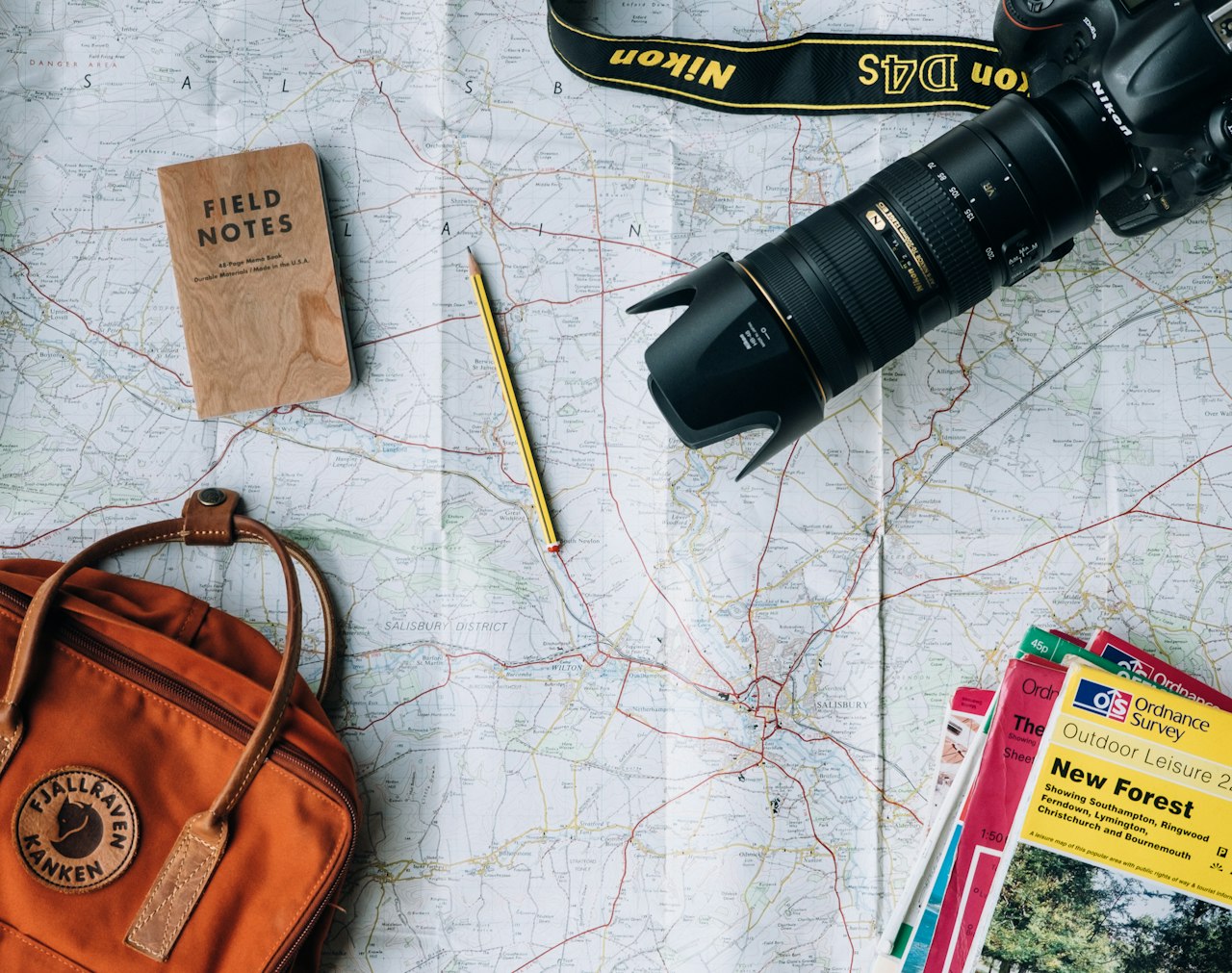
A smaller bag invites a useful question: what will I actually need today? I like a packing list that starts with the plan, rather than with all the accessories I could own.
Start with the day
A short café visit and a long travel day need different kits. Think about navigation, tickets, calls and how long you will be away from a socket. Choose around those tasks. Pack the phone, keys, payment method and any essential travel documents first.
Keep charging simple
One compatible power source and a short cable are a useful starting point if you expect a long day. Check the connectors on your actual devices. A spare cable with the wrong connector is just extra weight.
The MagGo Slim research note covers a magnetic option, including the compatibility checks. A familiar wired power bank is also a sensible choice if it already works.
Decide whether audio earns the space
Will you use headphones on a train, or will you spend the day talking to people? Over-ear headphones occupy more space than earbuds. Leave them at home if they do not have a job. If you prefer that format, read the Space One note before making a choice.
Make the smallest pieces easy to find
Put the charging pieces in a pouch or one known pocket. The Bellroy research find is an option to investigate, but the real benefit comes from using the same place each time. An organiser is useful only if it fits inside the bag with the essentials.
Do one final bag check
Close the bag, carry it around the room and check that you can reach the things you need. Leave a little room for a receipt or a small purchase. A bag packed to the limit before you leave is less flexible later.
This is a planning checklist, not a report from a product test. Use it to make your own kit smaller and more reliable.